
Shakarparian – A Natural Beauty of Pakistan’s Capital
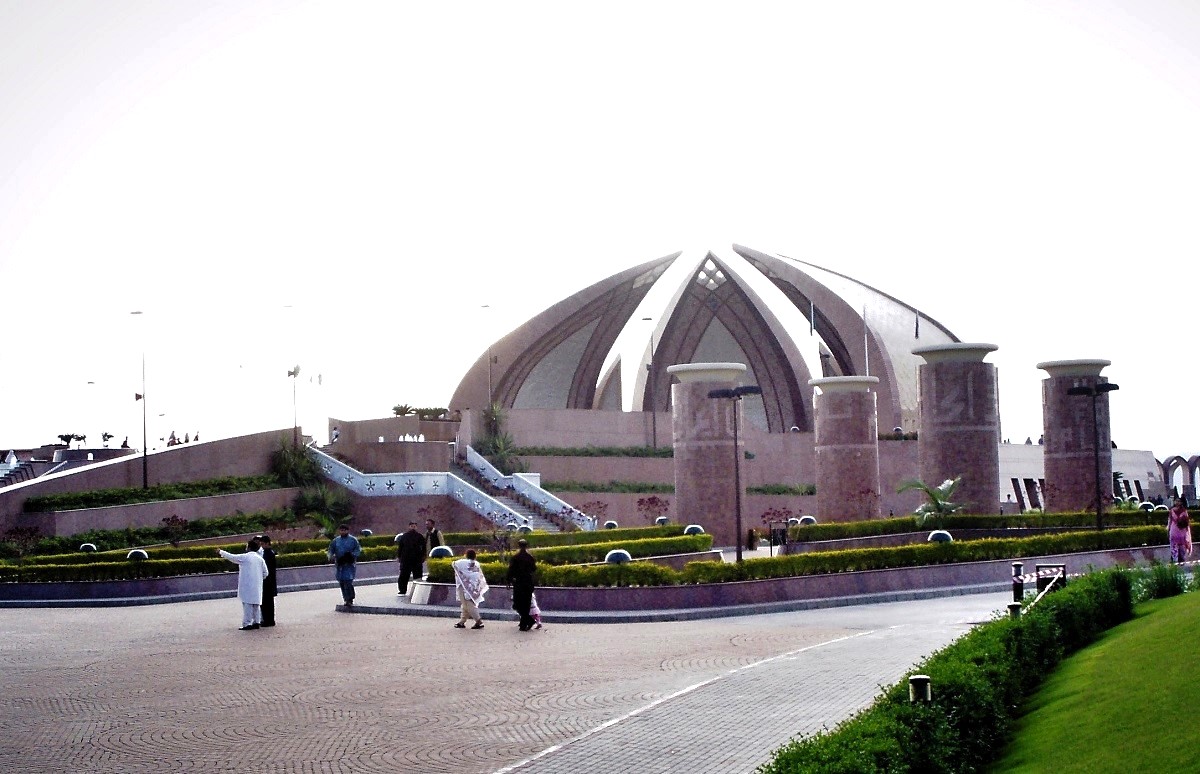
Pakistan Monument
Sept 03, 2026
Introduction
Nestled in the heart of Islamabad, Shakarparian is one of Pakistan’s most beautiful and historically significant tourist destinations. Forming part of the Margalla Hills National Park system, it covers an area of approximately 1,367 hectares and lies at an elevation of about 609 metres above sea level. Surrounded by lush green hills and offering breathtaking panoramic views of Islamabad and Rawalpindi, Shakarparian is a remarkable blend of natural beauty, historical importance, and national pride. Every year, thousands of visitors, including local families, students, tourists, photographers, and nature enthusiasts, visit this picturesque hilltop to enjoy its peaceful atmosphere and scenic landscapes.
Historical Background
Shakarparian Hills gets its name from two words in the Potohari language: "Shakar," meaning "sweet," and "Parian," which comes from "parao," referring to a resting place or a stopover used during extended journeys.
Before the construction of Islamabad in the 1960s, the area was covered with natural vegetation and inhabited by local communities. When Islamabad was selected as the new capital of Pakistan, the site became an integral part of the city's master plan and was developed into a recreational and tourist destination while preserving its natural landscape.
Shakarparian also occupies a special place in Pakistan's history. It was here that the foundation ceremony marking the approval of Islamabad's master plan was held on 24 May 1960 during a meeting presided over by Field Marshal Muhammad Ayub Khan, the then President of Pakistan. Since then, Shakarparian has become an enduring symbol of Islamabad's planned development and architectural vision.
Friendship Tree Plantation Ceremony
One of Shakarparian's most distinctive features is the Friendship Tree Plantation Ceremony, a unique diplomatic tradition in which visiting heads of state and government plant trees as symbols of friendship between Pakistan and their respective countries.
The tradition began on 21, February 1964, when Premier Zhou Enlai of the People's Republic of China planted a Sapium sebiferum (Chinese tallow tree). This historic event marked the beginning of what is now known as the Friendship Garden, where dozens of world leaders have planted commemorative trees over the decades. These trees stand as living symbols of peace, goodwill, and international cooperation, making the garden both historically significant and culturally meaningful.
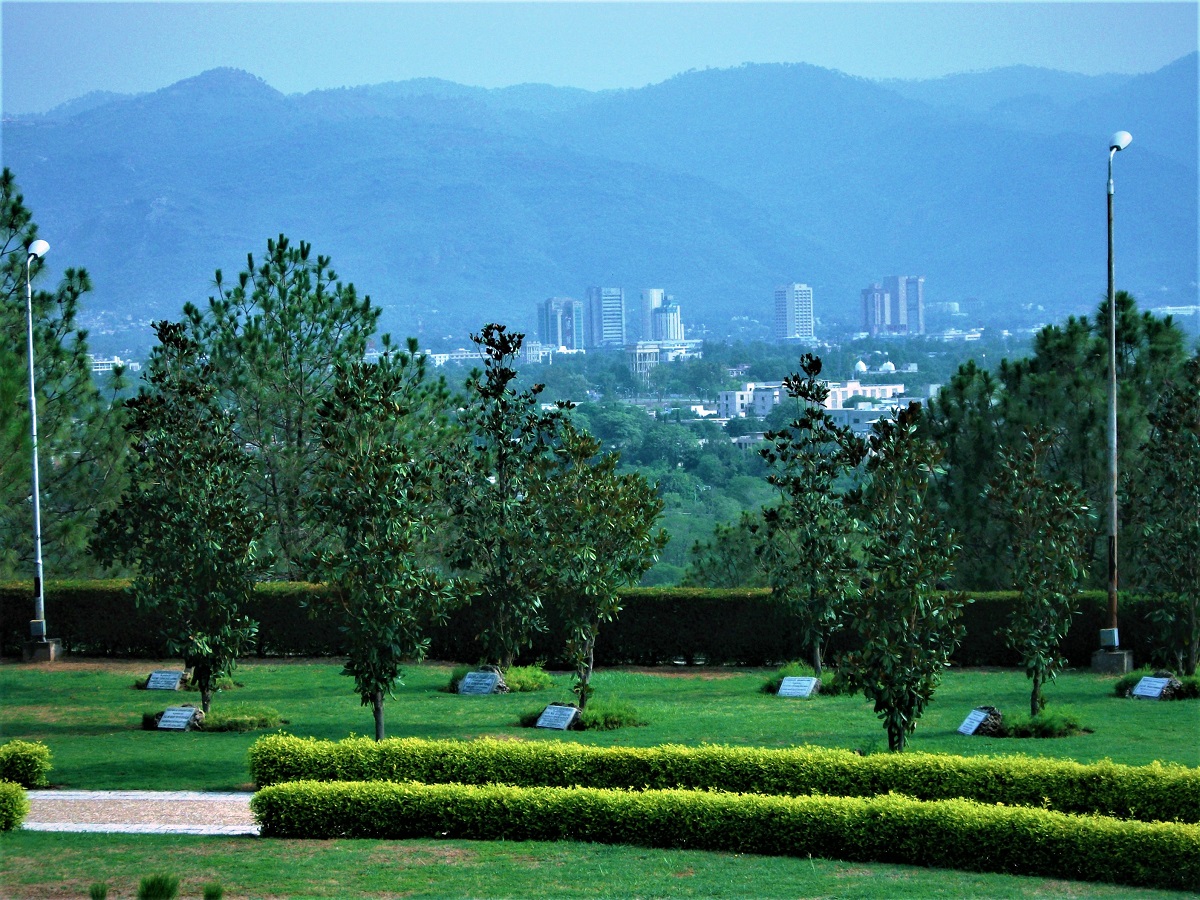
Friendship Tree Plantation Ceremony Site
Part of Margalla Hills National Park
Shakarparian forms an important section of the Margalla Hills National Park, a protected area established to conserve the region's rich biodiversity and natural landscapes. A national park is an area of exceptional ecological and environmental importance where native plants, wildlife, and natural habitats are protected from excessive human interference. Besides conserving biodiversity, national parks provide opportunities for recreation, environmental education, scientific research, and sustainable tourism.
Although Shakarparian is more developed than the rugged forests of the Margalla Hills, it serves as an important green space within the national park system and contributes to the environmental health of Islamabad.
Flora and Fauna
The vegetation at Shakarparian consists of both native and ornamental plant species. Common native trees include Kikar (Acacia nilotica), kher(Senegalia catechu)previously known as Acacia catechu,phulai(Senegalia modesta[old is AcaciaModesta]),(bauhinia variegata),Kahu(olea ferruginea), Chir (pinus roxburghii), Amaltas (Cassia fistula), and Sheesham (Dalbergia sissoo), alongside a variety of flowering shrubs, ornamental trees, and beautifully maintained lawns. Seasonal flowers bloom throughout the year, adding vibrant colours to the landscape and creating ain attractive environment for visitors.
A network of well-maintained walking paths winds through tree-lined avenues, gardens, and elevated viewpoints, allowing visitors to experience nature while enjoying spectacular scenery.
The park also supports a modest but diverse range of wildlife. Birds are the most frequently observed animals, with species such as common mynas, parrots, nightingales, pigeons, doves, hoopoes,Gray Francolin,Black Francolin,Common Babbler Ortygornis and crows commonly seen in trees and open grassy areas. Small mammals including five-striped palm squirrarels, mongooses, fruit bats,Indian crested Porcupine,wild Boar and occasional jackals may also be spotted, particularly during quieter hours of the day.
Reptiles such as garden lizards, skinks, and geckos inhabit rocky slopes, garden walls, and woodland areas. While Shakarparian does not contain the large mammals found in more remote national parks, it plays an important role in supporting urban biodiversity and providing valuable habitat for numerous plant and animal species.
Natural Beauty and Recreational Attractions
Shakarparian is renowned for its tranquil atmosphere, beautifully landscaped gardens, and breathtaking scenery. The hilltop offers some of the finest panoramic views of Islamabad, Rawalpindi, the Faisal Mosque, Rawal Lake, and the surrounding Margalla Hills. During sunrise and sunset, the landscape becomes particularly spectacular as golden light spreads across the capital city.
The cool breeze, peaceful surroundings, and well-maintained parks make Shakarparian an ideal destination for family picnics, morning walks, jogging, photography, and outdoor recreation. During the spring season, blooming flowers and fresh greenery transform the area into a colourful paradise, attracting countless visitors and photographers.
The site also features paved walkways, viewing points, seating areas, and landscaped gardens where visitors can relax and enjoy the natural environment. Its central location makes it easily accessible from most parts of Islamabad, making it one of the city's most popular recreational destinations.
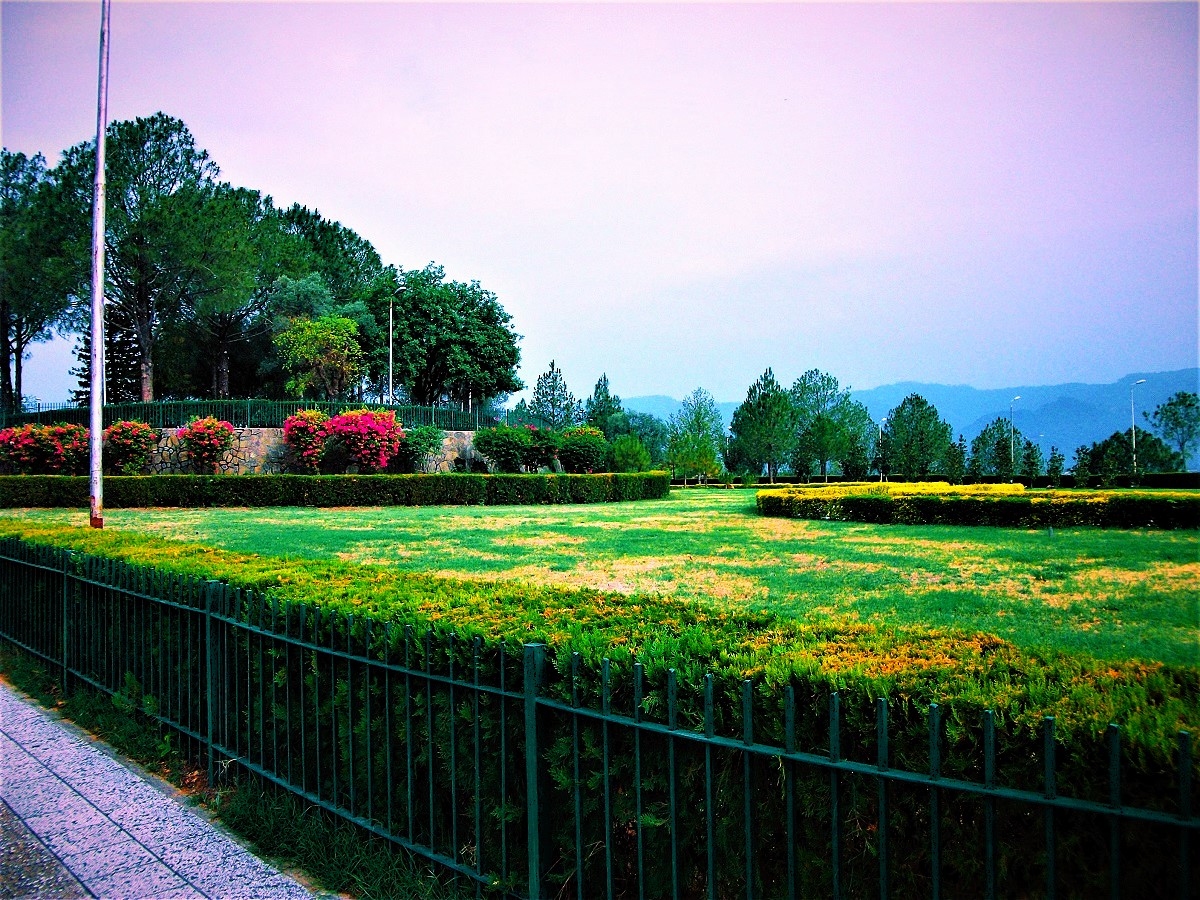
Beautiful landscaped of Shakarparian
CDA’s Efforts in Preserving and Managing Shakarparian Park
The Capital Development Authority (CDA) deserves credit for preserving Shakarparian Park’s beauty. Its Environment Wing protects the landscape and coordinates events from official state functions to cultural and commercial gatherings. It also leads Monsoon and Spring Tree Plantation Campaigns and Friendship Tree Plantations, where visiting heads of state plant trees as symbols of friendship and cooperation. Routine upkeep: The CDA handles regular maintenance—cleanliness, landscaping, public amenities, security, fountains, green spaces, and monuments—ensuring Shakarparian remains Islamabad’s premier green space.Conclusion
Shakarparian is far more than a scenic hilltop; it is a place where history, diplomacy, culture, and nature come together. From its role in the planning of Pakistan's capital to the internationally recognised Friendship Tree Plantation Ceremony, the site reflects both national heritage and global friendship. Combined with its rich greenery, diverse wildlife, and magnificent views, Shakarparian remains one of Islamabad's most treasured landmarks.
Whether visiting for its historical significance, peaceful environment, or stunning landscapes, Shakarparian offers an unforgettable experience and continues to showcase the natural beauty and cultural heritage of Pakistan's capital.
-
Suggested Reading/References:
- Capital Deveploment Authority DESTINATIONS IN ISLAMABAD