
Discover the Beauty of Pansies
Aug 05, 2026
Introduction to Pansies
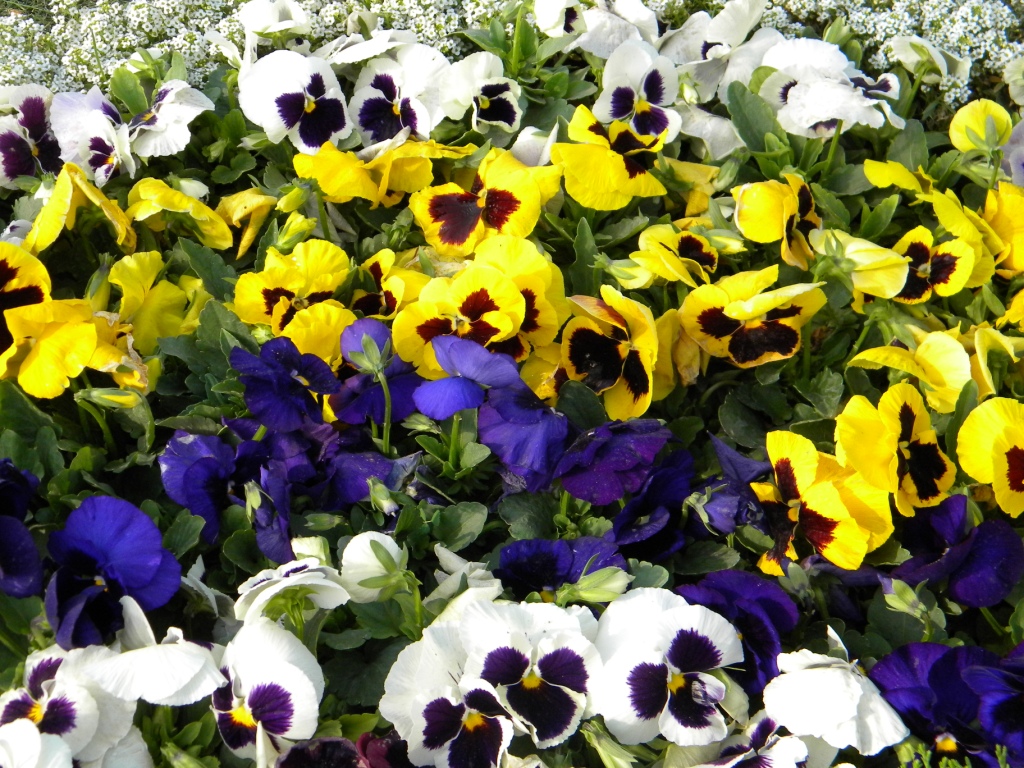
Pansies are beautiful flowers that look delicate, but they are actually great for beginners. They come in many cheerful colors;like bright yellow, deep purple, white, and even flowers with two or more colors. Many pansies have a special “face” in the center, which makes them look friendly and unique. If you want flowers for a garden bed or a sunny balcony pot, pansies are a smart choice. With the right timing, good soil, and simple care, they can keep blooming for many weeks.
A Glimpse into History
Native to Europe and Asia, the pansy has been cherished for centuries. Its name originates from the French word pensée, meaning "thought";a sentiment that has long symbolized remembrance and deep affection. Over generations, plant breeders have refined the pansy, resulting in a vast array of varieties that offer enhanced size, resilience, and a near-endless spectrum of brilliant colors.Characteristics and Form
Typically grown as annuals or short-lived perennials, pansies reach a modest height of 6 to 9 inches. Their defining feature is their symmetrical, rounded petals which often display a central "blotch" of a contrasting color. This distinctive marking creates a charming "face" that makes the plant stand out in any floral arrangement.When to Plant: Timing Is Everything
Pansies are cool-season flowering plants that perform best when grown in mild temperatures. Planting them at the right time is essential for healthy growth, abundant blooms, and long-lasting color.Best Planting Time:
The ideal time to plant pansies is early spring or early autumn (fall) , when the weather is cool and favorable for vigorous growth. These seasons provide the perfect conditions for the plants to establish strong roots before facing temperature extremes.Ideal Temperature Range:
Pansies thrive in daytime temperatures between 45°F and /65°F (7°C–18°C). They are remarkably tolerant of cool weather and can even survive light frosts without significant damage. However, prolonged exposure to high summer temperatures can cause the plants to become leggy, stop flowering, and eventually decline. For the longest blooming season, grow pansies during the cooler months of the year.

Step-by-Step Growing Guide
1. Choose the Right Pansy Seeds (and Varieties)
The first step to growing healthy, vibrant pansies is selecting high-quality seeds or young plants that are well suited to your climate, garden conditions, and personal preferences. Choosing the right variety will not only enhance the appearance of your garden but also improve your chances of successful growth.
Pansies are generally available in two main types
- These produce blooms in a single, solid color with no contrasting markings in the center, creating a simple and elegant appearance.
- These feature distinctive dark markings in the center of each flower, giving them the characteristic "face" that makes pansies so recognizable and popular.
- Always read the information on the seed packet before planting. It provides valuable guidance on planting depth, spacing, germination, and growing requirements. Also, choose fresh, high-quality seeds with a high germination rate, as they are more likely to sprout successfully and produce vigorous, healthy plants.
Clear varieties:
Blotched or "faced" varieties:
Helpful hint:
2. Prepare the Soil (This Matters Most)
Pansies thrive in well-draining soil that still retains enough nutrients to support healthy growth.
- The soil should be loose and crumbly, not hard or compacted.
- Aim for a slightly acidic to neutral pH, around 6.0 to 7.0.
If planting directly in the ground, follow these steps:
Clear the area:
Remove weeds, large stones, and any organic debris.Add compost:
Incorporate about 3 inches of compost, leaf mold, or well-rotted manure.Mix thoroughly:
Loosen the topsoil to allow roots to breathe and water to drain easily.Good soil preparation helps pansies grow strong, vibrant, and produce more blooms.
3.Grow Pansies from Seeds Indoors:
You can grow pansies from seeds indoors or plant them as starters. Regardless of the method, it's important to pay attention to moisture levels and planting depth.
Starting Indoors:
- Use a seed-starting mix that is slightly damp.
- Gently press the tiny seeds into the soil.
- Do not bury them deeply; just cover them with a very thin layer of soil (about paper-thin). If seeds are planted too deep, they may struggle to sprout.
- Place the trays in a bright area with moderate warmth.
- Keep the soil evenly moist by misting gently with a spray bottle. Avoid pouring large amounts of water, as seeds can wash away.
- Space the plants approximately 20 cm (8 inches) apart.
- This spacing allows roots to grow freely and promotes good air circulation around the leaves, reducing the risk of fungal diseases.
Once your seedlings have developed their second set of “true leaves,” they are ready to be transplanted outdoors.
Transplanting Outdoors:
4.Caring for Pansies After Planting
Once pansies are established, they are easy to care for. keeping them healthy and blooming is consistent maintenance rather than occasional attention. Follow these simple care tips to ensure your pansies thrive throughout the season.
- Water often enough to keep the soil from drying out completely.
- During dry or windy weather, check them more frequently.
- Water the soil, not the leaves. Wet leaves can lead to plant diseases.
- Avoid overwatering—pansies do not like sitting in soggy soil. Too much water can cause root problems and rotting.
Watering:
Fertilizer:
To help pansies bloom nonstop, use a balanced liquid fertilizer. Apply it about every 2 to 3 weeks during the main growing season.
Deadheading (very important):
Deadheading means removing old, fading flowers. Pinch them off with your fingers or use clean scissors/shears. This helps the plant stop making seeds and instead focus on growing new blooms.
5. Common Problems and How to Fix Them
Pansies are hardy plants, but they can encounter some common issues, especially in cool, damp weather. Here's how to identify and address these problems:
Aphids Symptoms:
Tiny insects clustered on young leaves and stems, feeding on plant sap.
Solution: Wash them off with a strong stream of water or apply a gentle, organic insecticidal soap.
Slugs Symptoms:
Chewed holes in leaves, especially during wet conditions.
Solution: Keep the area around your pansies clean and free of debris. You can also use pet-safe slug barriers to protect your plants.
Yellowing Lower Leaves
If the lower leaves start turning yellow despite regular watering, it may be due to poor soil drainage.
Solution: Check the soil's drainage. If water is standing around the roots, improve drainage by amending the soil or ensuring proper watering practices. Poor drainage can cause roots to become waterlogged, depriving them of oxygen and leading to unhealthy plant growth.
Pansies are ideal for beginners because they’re colorful, adaptable, and fairly forgiving. Choose quality seeds, prep your soil well, plant at the right time for cooler weather, and keep up with basic care like watering and deadheading. Soon, your garden or containers can turn into a patchwork of bright, happy blooms.
Important Disclaimer
This guide is for general learning. Local weather, soil, and temperature can change how well pansies grow. Always follow the instructions on your seed packet, and if you need advice for your area, contact your local agricultural extension service.
References for Further Academic Reading:
- Iowa State University Extension: Growing Pansies & Violas in Home Landscapes
- Royal Horticultural Society (RHS): Pansy Cultivation Guide and Educational Activities
- Colorado State University Extension: PlantTalk Colorado: Core Annuals Profiles (Pansy 1030)
- Utah State University Extension: Research-Based Methods for Growing Healthy Pansies